Journal ·
How to Work Remotely from Bali Legally as an American
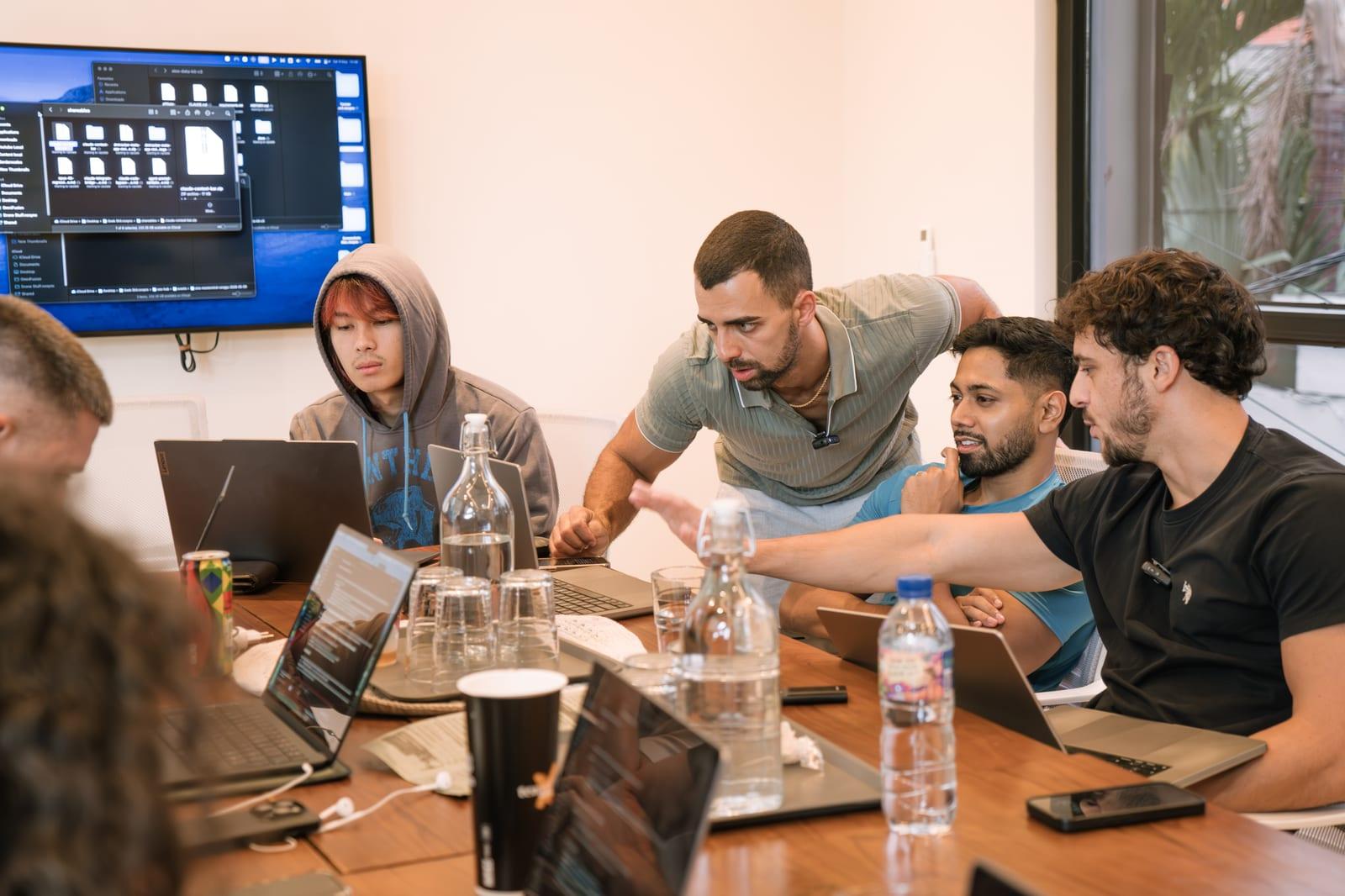
If you're asking can I work remotely from Bali legally as an American, the answer is yes, but only if you arrive on the right visa. Not the stamp immigration hands you at Ngurah Rai Airport, and not the B211A you may have seen mentioned in a digital nomad Facebook group. The right answer, for most Americans working remotely, is the E33G KITAS. This guide walks you through the legal framework clearly so you can make that informed decision before you book your flight.
Bali is full of remote workers. Plenty are operating in a legal grey zone, often without fully realising it. The difference between tolerance and legal authorisation matters more than most people appreciate, particularly when immigration questions you at the airport on departure. Guests who book purpose-built long-stay properties like TheHub Pererenan in Pererenan tend to arrive having already sorted their visa status. They're treated as long-stay residents, not tourists passing through.
All information in this guide is general only. Consult an Indonesian immigration lawyer or registered visa agent for advice specific to your situation.
What Indonesian law actually means by "remote work"
The definition most Americans get wrong
Indonesian law does not carve out a special exemption for people working for a foreign employer. The key test is what you are physically doing while on Indonesian soil, not where your company is incorporated or which bank account receives your salary. Performing regular job duties, attending scheduled video calls, and meeting deadlines as part of paid employment are all considered work activities regardless of the payment chain.
Why "my employer is overseas" doesn't automatically protect you
The source of your income or the location of your payroll is not the determining factor under Indonesian immigration rules. Working remotely from Bali in a legally authorised way requires a visa status that explicitly permits productive work activity. Without that, you are relying on enforcement discretion, not legal authorisation. That distinction becomes very meaningful when an immigration officer questions you at the departure gate.
How do I work remotely from Bali legally: why the tourist visa and B211A won't protect you
Visa on arrival (B1): 60 days, tourism only
The e-VoA is Indonesia's entry point for short stays: 30 days, extendable once for another 30, strictly for tourism purposes. Remote work is not authorised under this status. One-off emergency message replies may be tolerated in practice, but performing regular, scheduled work is a different matter entirely, scheduled daily work, billable hours, or repeated client interactions carry genuine risk. Enforcement can be triggered by an immigration inspection, a social-media post showing your coworking setup, or a direct question at the counter on departure. Consequences include visa cancellation, fines, or a re-entry ban.
The B211A social-cultural visa: longer stay, same restrictions
The B211A extends your stay to up to 180 days across extensions, which makes it attractive for long-stay planning. But it does not authorise remote work. It is a visitor status covering social and cultural activities, not a digital nomad permit. Using it as a substitute for a proper remote work visa means you are betting on not being scrutinised. Overstay and visa-condition violations can result in fines of IDR 1,000,000 per day, deportation, and blacklisting that affects future entry to Indonesia.
The E33G remote worker KITAS: how to work remotely from Bali legally
Who actually qualifies for the E33G
The E33G is Indonesia's purpose-built remote worker residence permit for nationals working for companies or clients based entirely outside Indonesia. For Americans, the 2026 eligibility benchmarks include a minimum annual foreign income of approximately USD 60,000 and a personal bank balance of at least USD 2,000 sustained for the three months before application. The permit does not cover work performed for Indonesian companies or services paid by Indonesian clients. It is valid for 12 months and is generally renewable for a further year. Sponsorship arrangements for the E33G vary across published guidance, some sources treat it as self-sponsored while others reference a sponsoring entity, so confirm the current sponsorship requirement directly with Indonesian Immigration or your registered agent before applying.
Documents you'll need before applying
The core document pack typically includes: a foreign employment contract or, for freelancers, signed service agreements and invoices; three months of personal bank statements showing at least USD 2,000; income evidence equivalent to USD 60,000 annually; health insurance valid in Indonesia; a passport with sufficient remaining validity (official sources vary on this, 18 months is widely recommended as the safest margin, but verify the current requirement at time of application); a curriculum vitae; accommodation proof; and a police clearance certificate where requested.
Most applicants work with a registered Indonesian visa agent to navigate the submission process correctly. Use only your genuine employment, income, and travel documentation. Fabricated documents are grounds not just for rejection, but for a potentially long-term or lifetime blacklist in serious cases.
What the application costs and how long it takes
What to budget in 2026
Government fees typically sit around IDR 7 to 13 million, roughly USD 390 to 800. Agency or service fees add IDR 5 to 11 million, approximately USD 300 to 600. Indonesian-valid health insurance adds approximately USD 420 to 1,800 annually depending on coverage level. Total cost with a full-service agent and insurance generally lands between USD 1,200 and USD 3,000, these are typical 2026 market estimates; confirm current official fee schedules with your agent. Extras such as biometrics processing, document translations, courier charges, and the MERP are often billed separately, so request an itemised quote upfront.
Timeline from application to activated KITAS
Online approval of the supporting visa typically takes five to fourteen working days after documents and payment are submitted. After arriving in Bali, biometrics and KITAS card activation take another two to four weeks. The practical planning figure is four to six weeks from complete submission to a fully activated permit. Apply before you book your flight, not after you've landed. Rushing this process does not compress the timeline; it increases the chance of errors in your document pack and delays the entire process.
Indonesian tax for digital nomads: what you need to know beyond six months
The 183-day residency trigger
Indonesia generally taxes worldwide income once a person becomes an Indonesian tax resident, which typically occurs after physical presence exceeds 183 days in any rolling 12-month period. At that threshold, foreign salary, freelance income, and overseas investment returns can all fall within Indonesian taxable income. Below that threshold, Indonesia generally taxes only Indonesian-source income. Demonstrated intent to reside can also trigger residency regardless of day count, so the length of your stay is not the only consideration.
What reporting looks like in practice
Tax residents are required to obtain an NPWP (tax identification number), file an annual individual return known as the SPT Tahunan, and report both Indonesian and foreign income. The 2026 calendar-year return is generally due 31 March 2027. A four-year Indonesian-source-only taxation election exists for qualifying foreign experts but is not an automatic digital nomad exemption.
Americans face continued US filing obligations regardless of where they reside. The US-Indonesia tax treaty can reduce the risk of full double taxation through foreign tax credits, but both filing obligations exist simultaneously. Engage an Indonesian tax adviser before you cross the 183-day mark, not after.
Choosing a base that matches your long-stay status
Why where you stay signals how you're travelling
There is a practical dimension to visa compliance that goes beyond paperwork: where you base yourself shapes how immigration, landlords, and local services treat you. Long-stay travellers on an E33G KITAS are not tourists passing through. They're residents for a defined period, and the accommodation they choose should reflect that reality. Purpose-built remote work properties in Pererenan, the quieter beach village north of central Canggu, attract guests who have already sorted their legal status and want an environment built around a structured, productive daily rhythm.
What this looks like in practice at TheHub Pererenan
Guests at TheHub Pererenan, a boutique co-living and coworking property five minutes from Pererenan Beach, tend to arrive with their visa research already complete. The property is purpose-built for exactly this kind of extended stay, offering private studios, dedicated workstations, meeting rooms, and a residents-only pool. No day-pass visitors share the workspace, and no strangers compete for a desk. If you've done the legal groundwork, the practical setup here follows naturally. It is accommodation designed around people who actually have to work, not a hotel that bolted a desk onto a tourism product.
Make the legal groundwork your first step
So, how do you work remotely from Bali legally as an American in 2026? Start with the right visa status. The E33G KITAS is the purpose-built pathway. The tourist visa and B211A are not substitutes, regardless of how common their use may appear among remote workers you meet at a café in Canggu. Budget four to six weeks and between USD 1,200 and USD 3,000 for the application process, work with a registered Indonesian agent for submission, and sort your tax position if you're planning to stay beyond six months.
None of this is complicated when you approach it early. The reward is a genuinely legal, productive stay in one of the world's most compelling destinations for remote work. If you're planning a long stay in Pererenan or the broader Canggu area and want accommodation designed around the way you actually work, get in touch with the team at TheHub Pererenan.